
Embark on a journey through the world of Sustainable Furniture Trends, exploring eco-friendly materials, innovative design trends, and ethical production practices that shape the future of furniture.
Discover how sustainability and style harmonize to create a new era of furniture design that prioritizes environmental impact and consumer preferences.
Sustainable Furniture Trends
Sustainable furniture refers to furniture that is produced using materials and practices that have a minimal negative impact on the environment. This includes using renewable resources, reducing waste, and minimizing energy consumption throughout the production process.
Materials and Practices for Sustainable Furniture
- Reclaimed wood: Utilizing wood from old furniture or buildings helps reduce the demand for new timber and prevents deforestation.
- Bamboo: Bamboo is a fast-growing and renewable resource that can be used to create durable and eco-friendly furniture.
- Recycled materials: Incorporating materials like recycled plastic, metal, or glass into furniture production helps divert waste from landfills.
- Non-toxic finishes: Using natural and non-toxic finishes reduces the release of harmful chemicals into the environment.
Popularity of Sustainable Furniture
As environmental awareness grows among consumers, the demand for sustainable furniture has been on the rise. People are increasingly looking for ways to reduce their carbon footprint and make eco-conscious choices in their everyday lives, including the furniture they purchase. Sustainable furniture not only benefits the environment but also promotes a healthier indoor environment for individuals and families.
Eco-friendly Materials
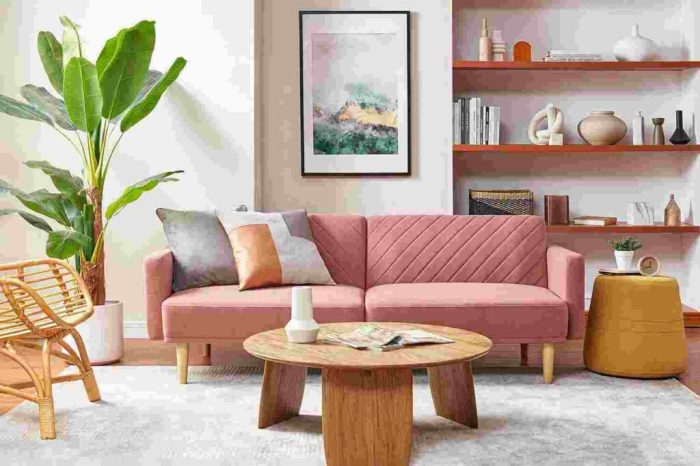
When it comes to sustainable furniture, the choice of materials plays a crucial role in reducing environmental impact and promoting eco-friendliness. Various eco-friendly materials are commonly used in the production of sustainable furniture, each offering unique benefits.
Bamboo
- Bamboo is a fast-growing and renewable resource, making it a sustainable choice for furniture production.
- It is known for its strength and durability, making bamboo furniture long-lasting and resilient.
- Bamboo furniture has a natural aesthetic appeal, with a light and modern look that fits well in many interior design styles.
Reclaimed Wood
- Reclaimed wood is salvaged from old buildings, barns, or other sources, giving it a unique character and history.
- Using reclaimed wood helps to reduce deforestation and waste, making it a more sustainable option.
- Furniture made from reclaimed wood often has a rustic and distressed look, adding warmth and charm to any space.
Recycled Metal
- Recycled metal, such as aluminum or steel, can be melted down and reused multiple times without losing its quality.
- It helps to reduce the energy and resources needed for mining and processing new metal, lowering the environmental impact.
- Furniture made from recycled metal can have a sleek and modern design, adding an industrial touch to the decor.
Innovative Design Trends
In the realm of sustainable furniture, innovative design trends play a crucial role in shaping the industry. From modular pieces to multifunctional designs, sustainability has influenced the way furniture is conceptualized, created, and perceived.
Modular Furniture
Modular furniture has gained popularity for its versatility and adaptability to different spaces. These pieces are designed to be easily assembled, disassembled, and reconfigured according to the user’s needs. By utilizing modular elements, furniture designers can reduce waste and promote sustainability. An excellent example of modular sustainable furniture is the “Stax” shelving system, which allows users to customize their storage solutions based on their requirements.
Multifunctional Designs
Multifunctional furniture combines practicality with style, offering dual or multiple purposes within a single piece. Sustainability plays a significant role in the design process of multifunctional furniture, as it encourages maximizing functionality while minimizing material usage. An innovative example of a multifunctional sustainable design is the “EcoLoop Chair,” which transforms from a chair into a side table or a bookshelf, providing multiple functionalities in a compact space.
Blend of Style with Functionality
Sustainable furniture designs are not just environmentally friendly but also aesthetically pleasing. The blend of style with functionality ensures that sustainable furniture pieces are not only eco-friendly but also visually appealing. For instance, the “Bamboo Lounge Chair” combines the elegance of bamboo with ergonomic design, creating a stylish and sustainable seating option for modern interiors.
Ethical Production Practices
Ensuring ethical production practices in the sustainable furniture industry is crucial for promoting social responsibility and transparency in the manufacturing process.
Fair Labor Practices
Brands that prioritize fair labor practices ensure that workers are paid fairly, work in safe conditions, and are treated with dignity and respect.
Transparency in Manufacturing
Transparency in furniture manufacturing involves providing information about the sourcing of materials, production processes, and working conditions to consumers.
Social Responsibility
Companies that uphold social responsibility in furniture making contribute positively to the community, environment, and overall well-being of society.
Supporting Ethical Brands
Consumers can support ethical brands by researching companies’ production practices, choosing products from certified sustainable sources, and advocating for transparency and fair treatment of workers in the industry.
In conclusion, Sustainable Furniture Trends offer a glimpse into a more conscious and responsible approach to furnishing our living spaces, blending sustainability with creativity and functionality for a brighter tomorrow.
FAQ Explained
What are some common eco-friendly materials used in sustainable furniture?
Bamboo, reclaimed wood, and recycled metal are commonly used for their sustainable properties.
How can consumers support ethical production practices in the furniture industry?
Consumers can support brands prioritizing ethical production by choosing to buy from companies that emphasize fair labor practices and social responsibility.


